Spring (March to May)
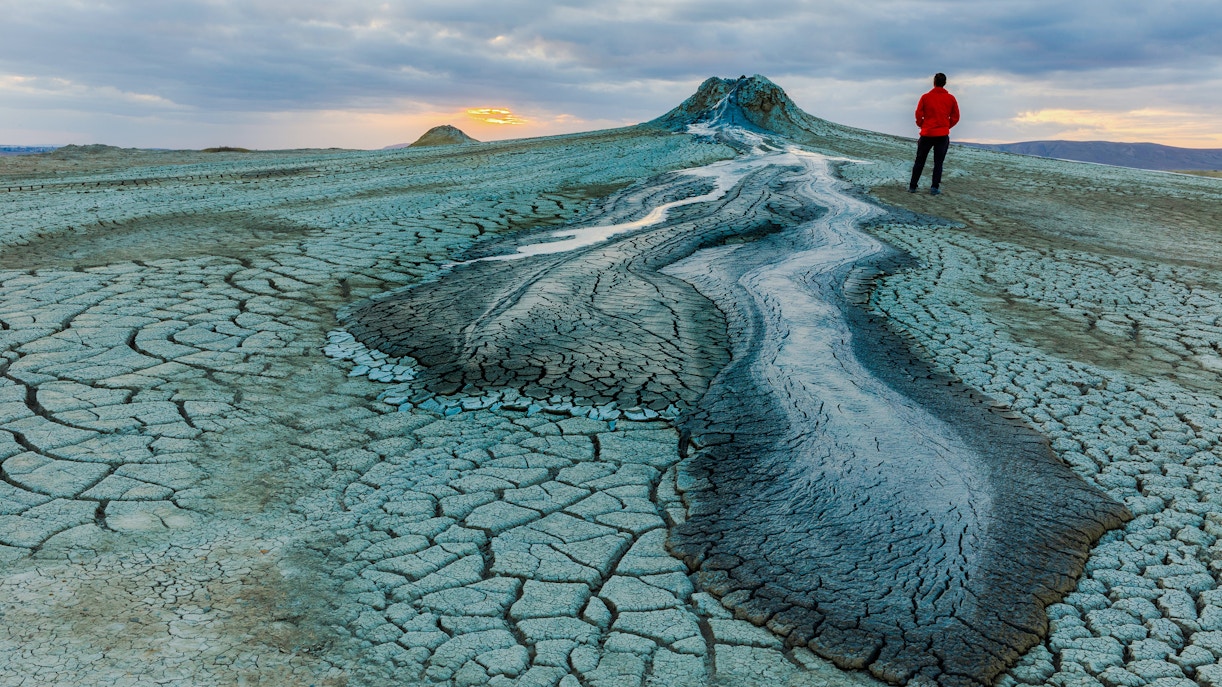
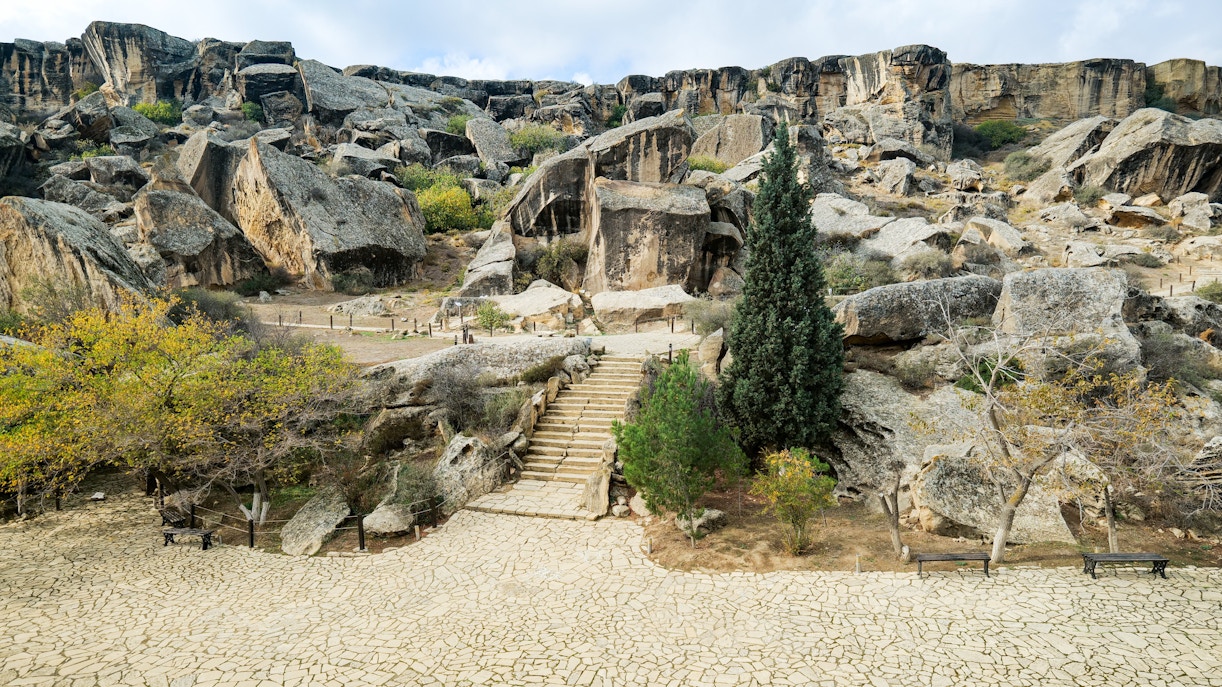
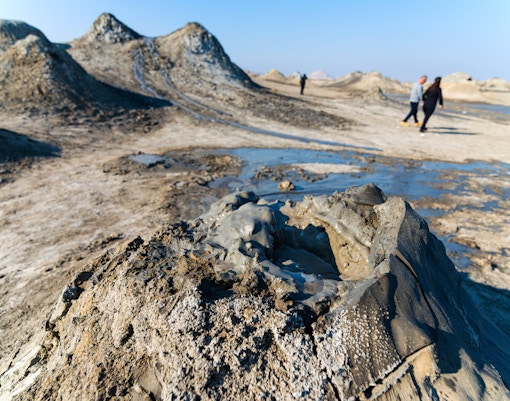
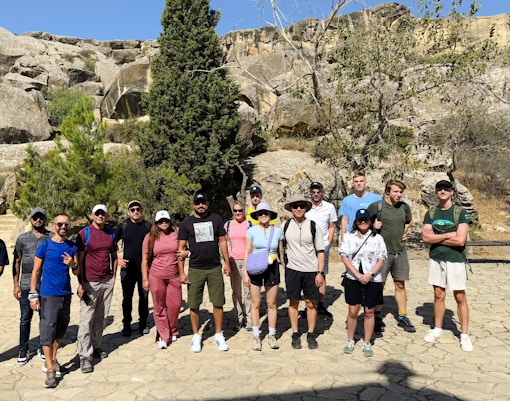
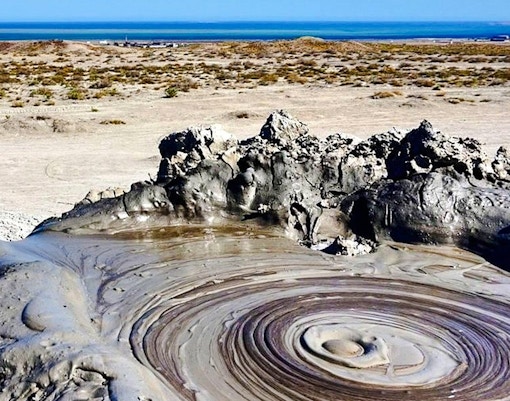
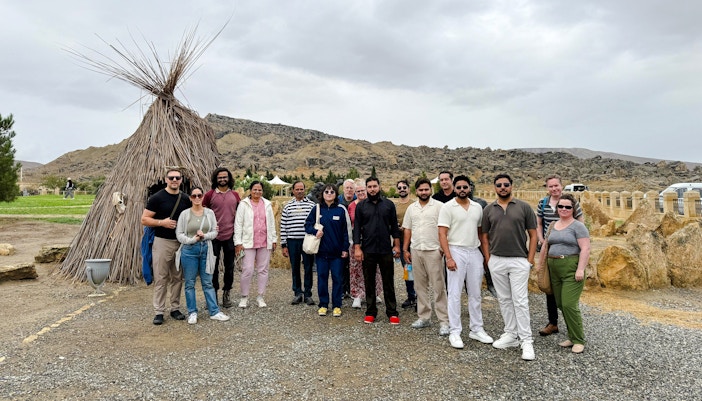
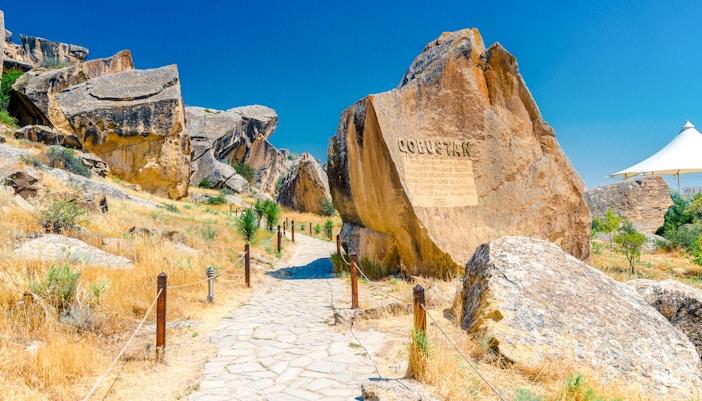
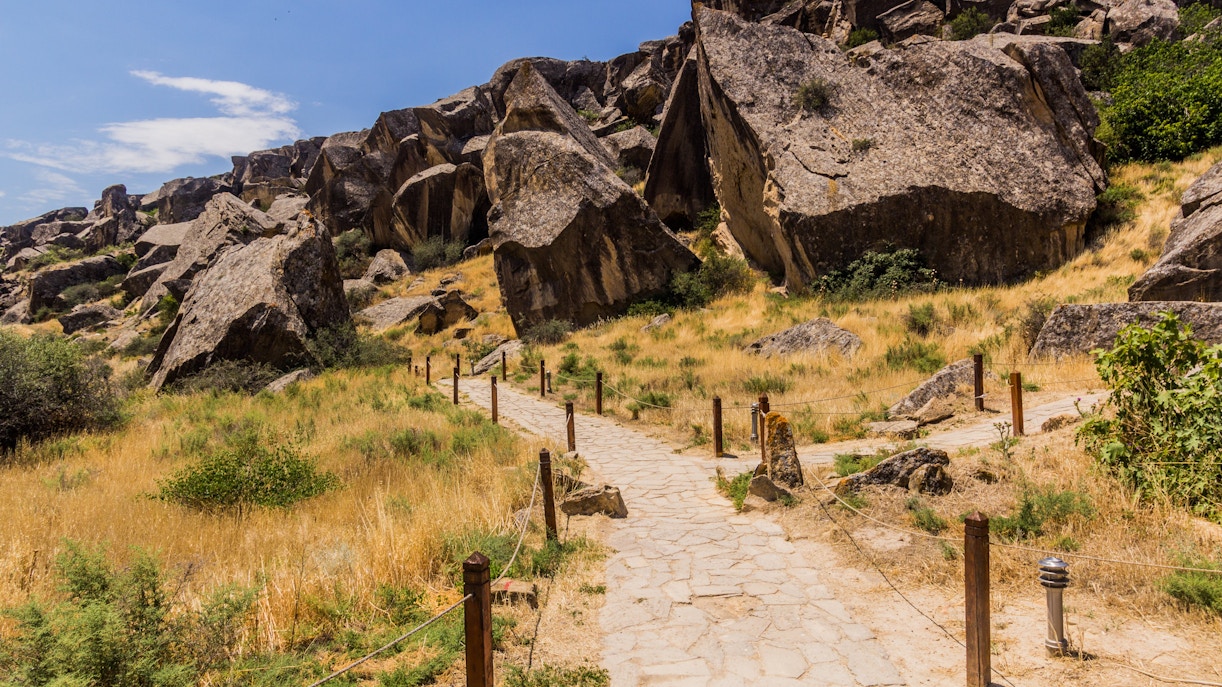
Spring offers the best overall conditions for Gobustan and Yanardağ tours, with mild temperatures and clearer skies across the semi-desert landscape. Outdoor walking at Gobustan and the mud volcanoes feels significantly more comfortable than in summer. This is also one of the busiest periods for full-day tours, so advance booking is recommended.
Summer (June to August)
Summer brings long daylight hours but intense midday heat, especially around Gobustan’s exposed rocky terrain. Morning departures are noticeably more comfortable and reduce time spent outdoors during peak temperatures. Carry water, sunscreen, and light sun-protective clothing throughout the tour.
Autumn (September to October)
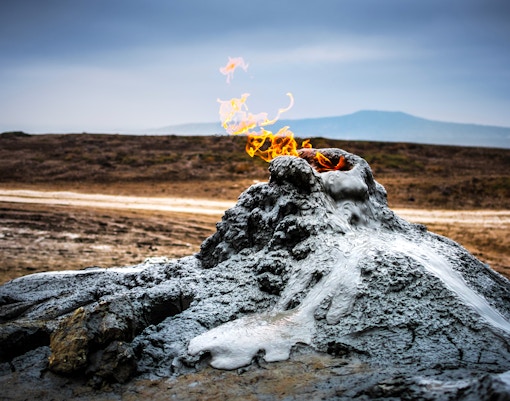
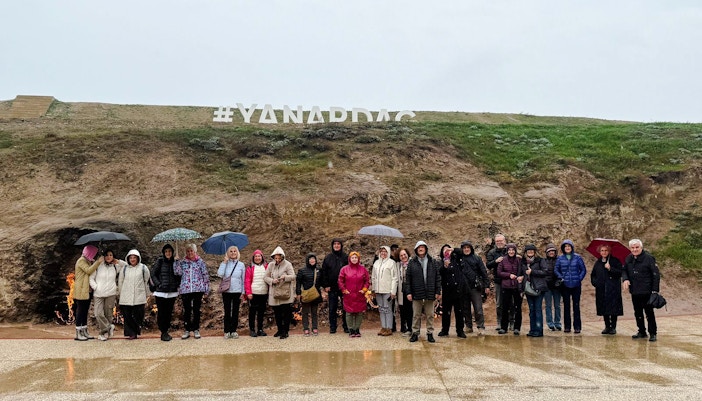
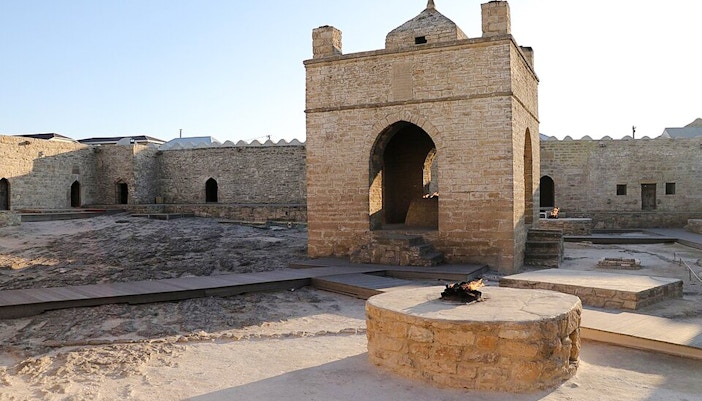
Autumn combines warm temperatures with softer evening light and lower humidity, making it one of the best seasons for photography and full-day sightseeing. Yanardağ is particularly atmospheric after sunset during this period. Weekend departures can fill quickly.
Winter (November to February)
Winter temperatures are cooler and more manageable for daytime sightseeing, though windy conditions are common around the mud volcanoes and open desert areas. Shorter daylight hours make the flames at Yanardağ visible earlier in the evening, and crowd levels are generally lower.