Most half-day tours depart between 8am and 10am from central Baku hotels and return within four to five hours. Full-day tours usually begin earlier, around 8am, and return between 5pm and 7pm depending on traffic and stop durations. Private car-hire options offer more flexible departure timing. Mud volcano access depends on weather and terrain conditions; operators may adjust the route or vehicle type on the day.
What are Gobustan & Yanardağ tours in Baku?
These are guided day trips from Baku covering Azerbaijan’s most distinctive natural and cultural landscapes across the Absheron Peninsula and the semi-desert terrain south of the city. Most tours combine Gobustan’s prehistoric rock carvings and active mud volcanoes with fire-related landmarks like Yanardağ and Ateshgah Fire Temple. Depending on the route, experiences run from four to nine hours and usually include hotel transfers, attraction entry tickets, and a guide. The most distinctive part of the journey is the contrast between ancient petroglyphs, bubbling mud craters, and naturally burning hillsides visited in a single day.
Why book a Gobustan & Yanardağ tour?
1/4
See mud volcanoes reached by off-road vehicles
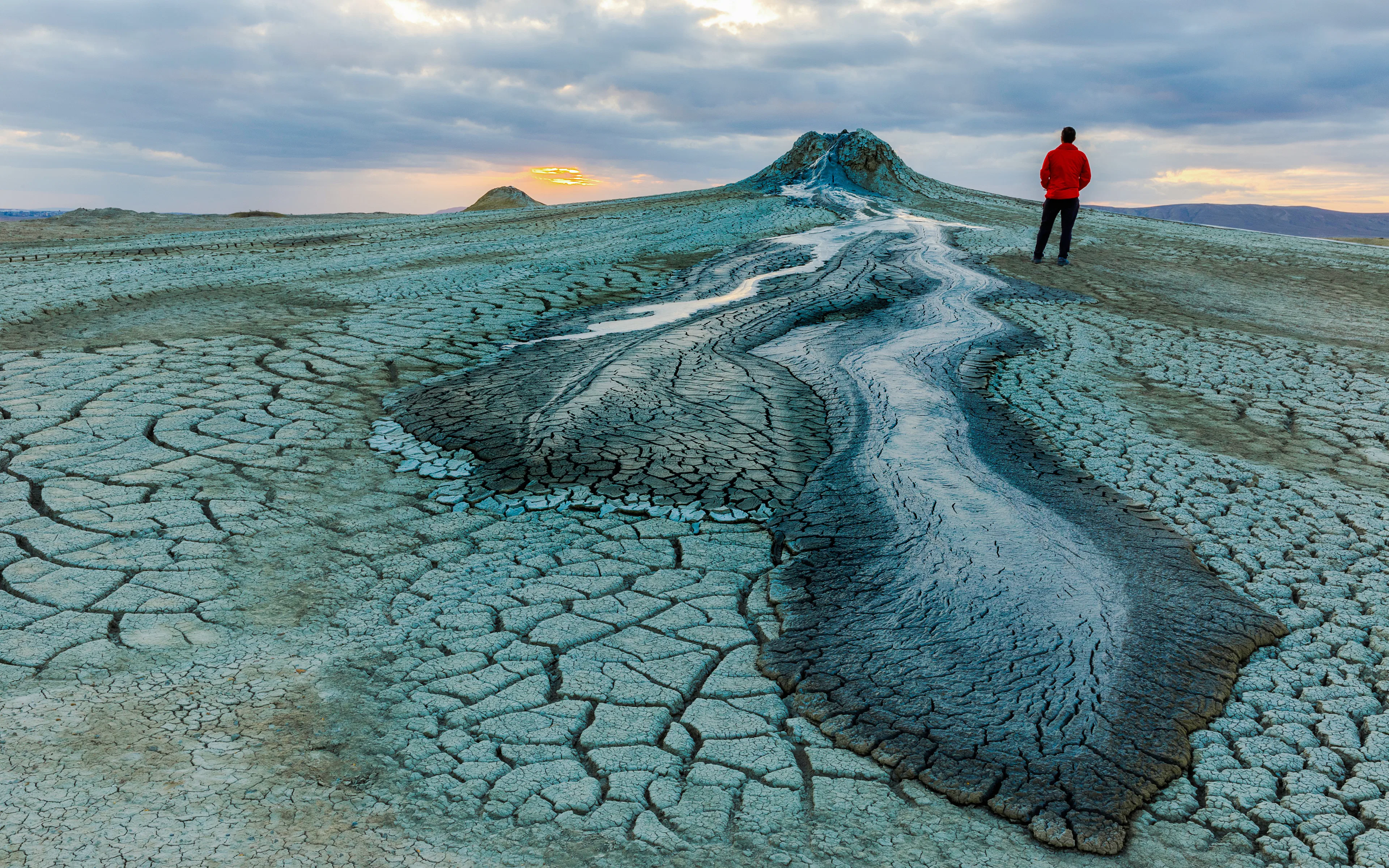
Most Gobustan tours include a rugged drive across uneven terrain in Soviet-era 4x4 vehicles to reach Azerbaijan’s active mud volcano fields, which are inaccessible by standard buses.
Visit fire temples and burning hillsides together
Yanardağ’s natural gas-fed flames and Ateshgah’s historic fire temple are usually paired in the same itinerary, making it easier to understand Azerbaijan’s long association with fire worship and natural gas.
Cover multiple landscapes in one day
Full-day routes combine semi-desert scenery, prehistoric rock art, mosques, industrial oil history, and volcanic terrain without requiring independent transport between sites.
Full-day itineraries involve long road sections
These tours are structured around driving between attractions rather than extended time at one site. Visitors expecting a slower-paced cultural visit may prefer a private car-hire option.
Plan your visit to Gobustan & Yanardağ
Departure times
Best time to go
April to early June and September to October offer the most comfortable temperatures for outdoor sightseeing around Gobustan and the mud volcanoes. Summer visits are possible, but midday heat across the exposed semi-desert terrain can become intense. Morning departures are noticeably more comfortable year-round. Spring weekends and public holiday periods fill fastest.
Pickup and departure
Most tours include hotel pickup from central Baku districts, including the Old City and areas around Nizami Street. Attractions are spread across different parts of the Absheron Peninsula and southern Azerbaijan, making guided transport the simplest option for most visitors. Independent travel to the mud volcanoes is difficult without private transport.
What the day covers

Hotel pickup and the drive out of Baku
Most tours begin with pickup from central Baku hotels before heading south toward Gobustan or east toward the Absheron Peninsula. The contrast between Baku’s modern skyline and the dry, open landscapes outside the city becomes visible within approximately 30 minutes of departure. Bring water and sun protection even on shorter half-day routes; shade is limited at most stops.
Gobustan rock art and archaeological reserve
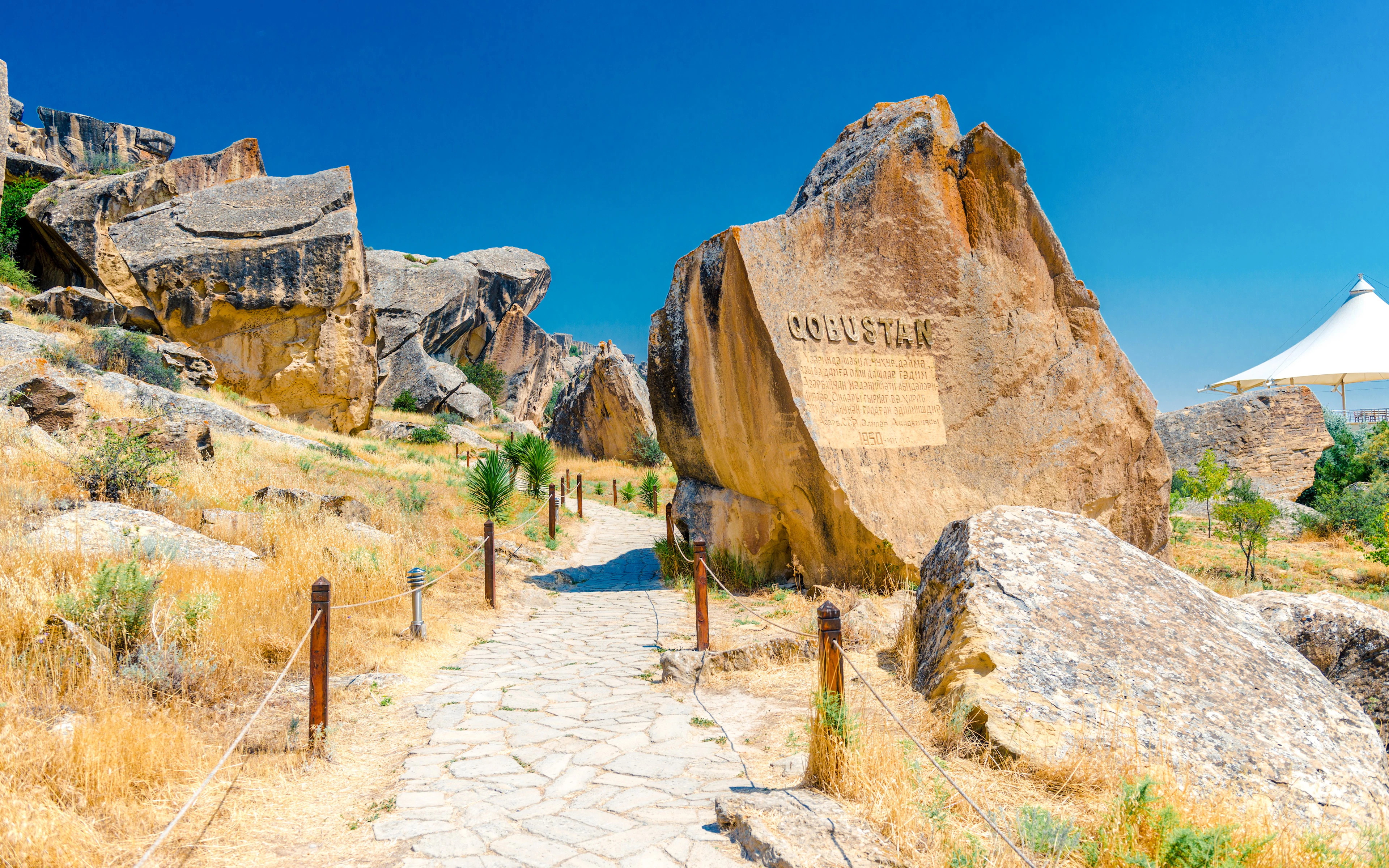
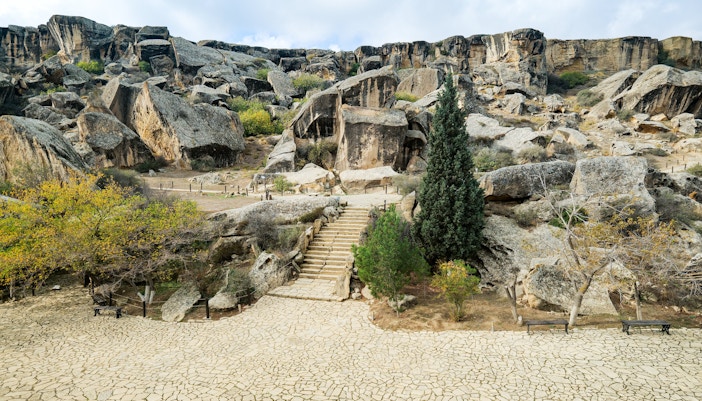
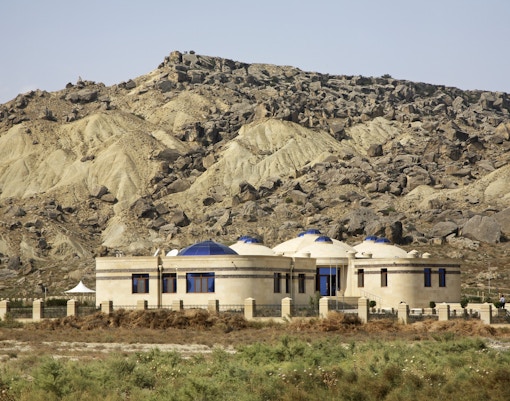
At Gobustan National Park, visitors typically explore both the indoor museum and the open-air archaeological reserve. The museum introduces the region’s prehistoric history through interactive exhibits before the tour continues to the hillside petroglyph sites, stone shelters, and marked walking trails. Guided visits usually cover the main rock carving clusters and explain how early communities lived in this semi-desert landscape. Comfortable footwear is recommended, as the outdoor paths are rocky and uneven in places.
Historic stops beyond the fire landscapes
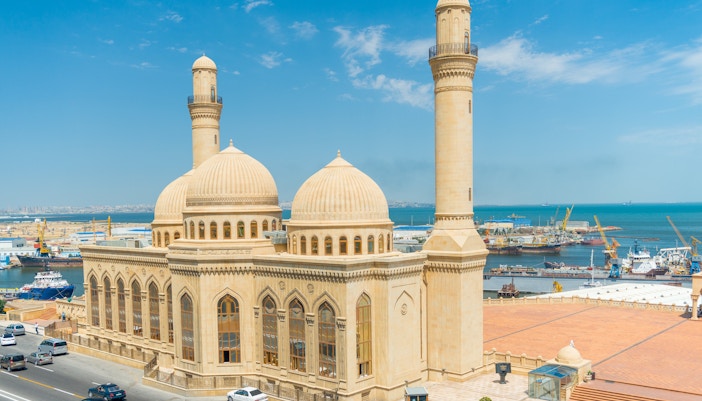
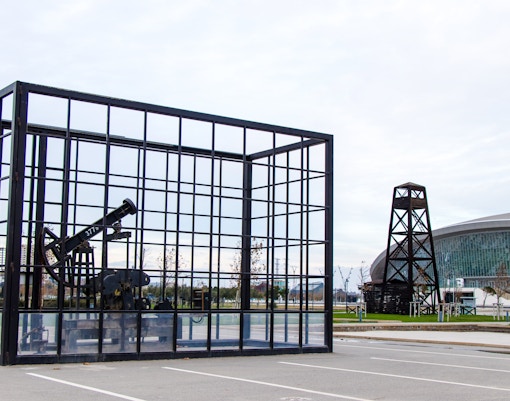
Some full-day and Gobustan-focused half-day tours also stop at Bibi-Heybat Mosque and the World's first industrially drilled oil well site before heading to the rock art reserve. These short stops add context to Azerbaijan’s religious and oil heritage and usually take 20 to 40 minutes combined. On guided tours, they’re typically the first stops after leaving Baku.
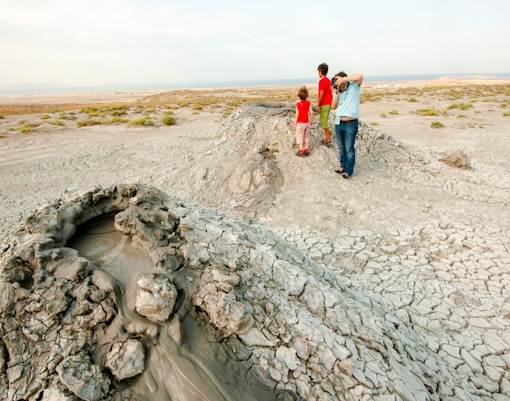
Mud volcanoes reached by off-road transfer
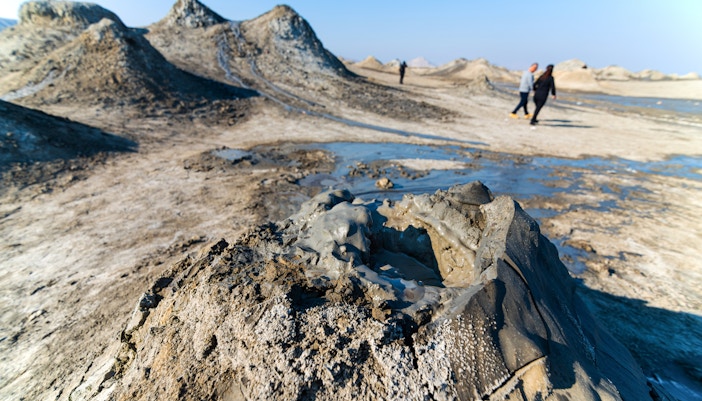
Most tours switch to Soviet-era 4x4 vehicles for the final approach to the mud volcanoes. The drive itself is part of the experience due to the rough terrain and isolated landscape. Visitors typically spend 20 to 40 minutes around the volcano field observing bubbling mud vents and smaller eruptions. Avoid wearing white shoes; the ground can become slippery after rain.
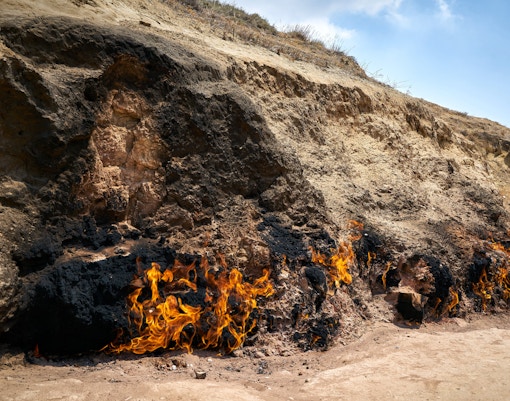
Fire-themed landmarks on the Absheron Peninsula
Tours including Yanardağ and Ateshgah focus on Azerbaijan’s long association with natural gas and fire worship traditions. At Yanardağ, the hillside flames burn continuously from underground gas seepage, while Ateshgah’s courtyard temple complex provides historical context for the region’s fire-based religious practices. Evening departures generally make the flames at Yanardağ more visible.
The context behind Gobustan & Yanardağ tours
Gobustan’s petroglyphs date back thousands of years and document hunting scenes, rituals, animals, and early human settlement patterns across the Caspian region. The surrounding landscape also contains one of the world’s largest concentrations of mud volcanoes, created by underground gas pressure pushing mineral-rich mud to the surface. On the Absheron Peninsula, natural gas seepage historically fueled eternal flames like those at Yanardağ and influenced the development of fire worship traditions linked to Zoroastrian communities. Understanding that these sites are connected by Azerbaijan’s geology rather than by tourism design changes how the day’s route feels; the landscapes, flames, and volcanic activity are part of the same natural system.
What to know before you book
Need to know
- Full-day tours involve several hours of driving with limited shade at outdoor stops.
- Mud volcano access roads are uneven and not wheelchair accessible.
- Hotel transfers are usually limited to central Baku pickup zones; confirm your hotel location before booking.
- Private car-hire options generally include a driver rather than a licensed sightseeing guide.
Worth knowing
- Morning departures are more comfortable year-round, especially in summer when temperatures rise quickly across Gobustan.
- Full-day tours covering Gobustan, Yanardağ, and Ateshgah reduce the need to arrange separate transport between distant attractions.
- Soviet-era 4x4 transfers to the mud volcanoes are part of the experience but can feel rough on uneven terrain.
Frequently asked questions about Gobustan & Yanardağ tours
Gobustan and Yanardağ tours are known for combining prehistoric rock art, active mud volcanoes, natural gas flames, and fire-temple heritage in a single day trip from Baku. Most itineraries also include hotel transfers and guided commentary.
Spring and early autumn offer the most comfortable conditions for visiting Gobustan and the mud volcanoes. Morning departures are preferable year-round due to the exposed terrain and limited shade. See the timings page for seasonal schedules.
Most standard tours are not fully wheelchair accessible because of uneven archaeological paths and off-road mud volcano terrain. Private transport options may offer more flexibility, but accessibility support varies by operator.
Yes. Full-day tours and weekend departures often sell out in spring and autumn. Booking in advance also gives you better choice of departure timing and tour format.
Most tours include hotel pickup, transportation, attraction entry tickets, and guided sightseeing. Some full-day experiences also add lunch, off-road transfers, or additional Absheron Peninsula stops.
Most tours depart from central Baku hotels or fixed city-center pickup points. Exact pickup details are usually shared after booking confirmation.
Wear comfortable walking shoes, light clothing suitable for dry weather, and sun protection. Mud volcano areas can become slippery after rain, so closed shoes are preferable.
Yes, but reaching the mud volcanoes independently is difficult without private transport, and public connections between sites are limited. Guided tours simplify logistics and reduce travel planning significantly.