Plan your visit to Gobustan & Yanardağ | A detailed guide

How to visit Gobustan & Yanardağ

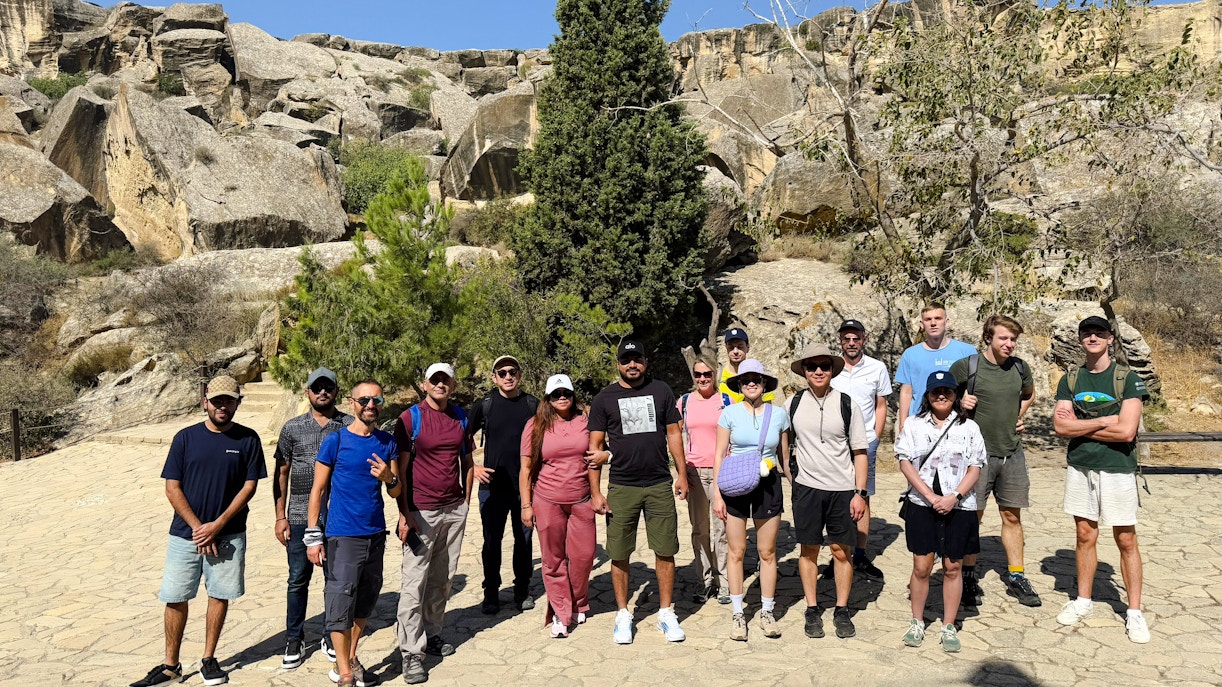
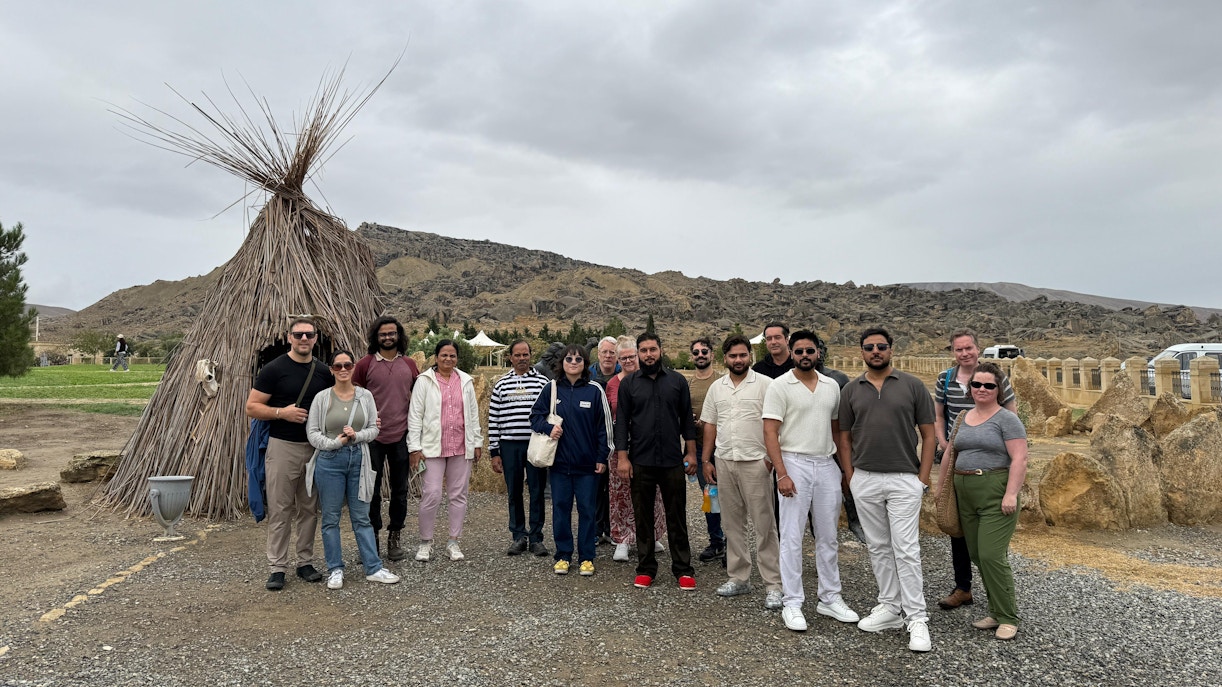
Group of tourists at Gobustan National Park with mud volcanoes in the background.

Overview

Gobustan and Yanardağ make for one of the most popular day trips from Baku, combining prehistoric rock art, bubbling mud volcanoes, and Azerbaijan’s famous natural gas fire landscapes. Since the attractions are spread across different regions south and northeast of the city, most visitors combine them in a single guided route that covers archaeological, cultural, and natural landmarks in one day.

Travel logistics

The sites are around 60–75 km from central Baku, but travel times vary because stops are scattered across the Absheron Peninsula and Gobustan district. Guided tours are the easiest option, especially for combining mud volcanoes with the reserve and fire attractions. DIY visitors can hire taxis or self-drive, though public transport is limited for covering all stops efficiently. If visiting independently, start with Gobustan in the morning, then continue toward Ateshgah and Yanardağ later in the day.

Plan your day

  • Quick visit (2–3 hrs): Gobustan Rock Art Reserve + mud volcanoes
  • Half day (4–5 hrs): Gobustan + mud volcanoes + Yanardağ
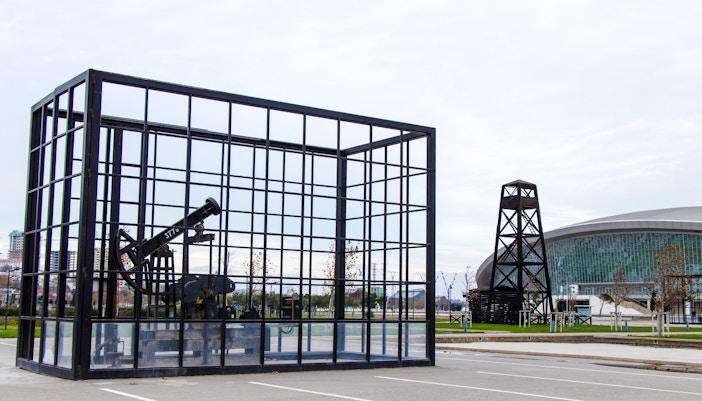
  • Full day (6+ hrs): Gobustan + mud volcanoes + Ateshgah Fire Temple + Yanardağ + scenic stops at Bibi-Heybat Mosque and the world’s first industrial oil well site

Handy tips

  • Tickets: Museum entry at Gobustan is usually included on guided tours; check if mud volcano transfer is separate.
  • Best times: Start before 9am to avoid midday heat in the semi-desert.
  • Rules: Comfortable closed shoes are best for rocky and dusty terrain.
  • Pro tip: Visit Yanardağ at sunset or after dark to see the flames more vividly.
  • Respect: Do not step beyond marked paths near petroglyph zones.
Must-see places at Gobustan & Yanardağ

Gobustan Rock Art Reserve

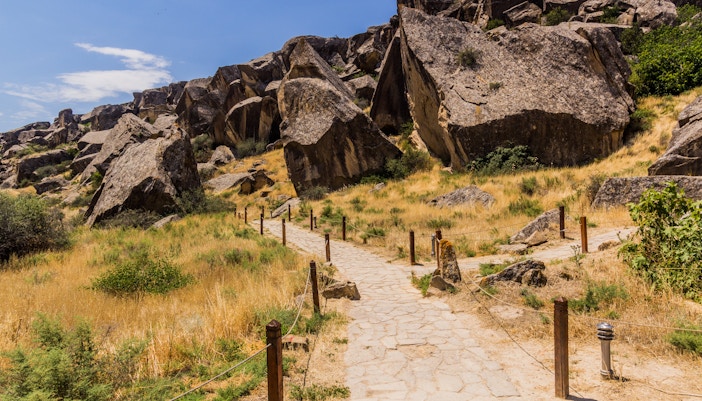
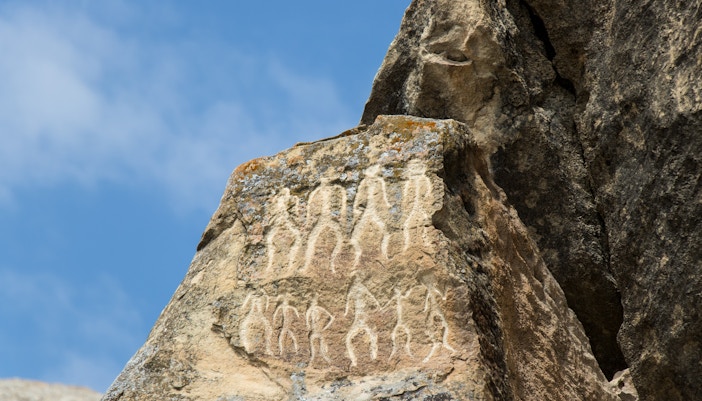
Prehistoric petroglyph fields and archaeological trails that reveal how early communities lived along the Caspian thousands of years ago.

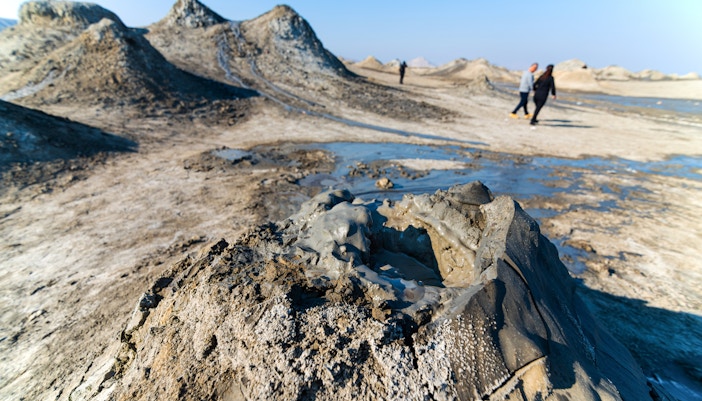
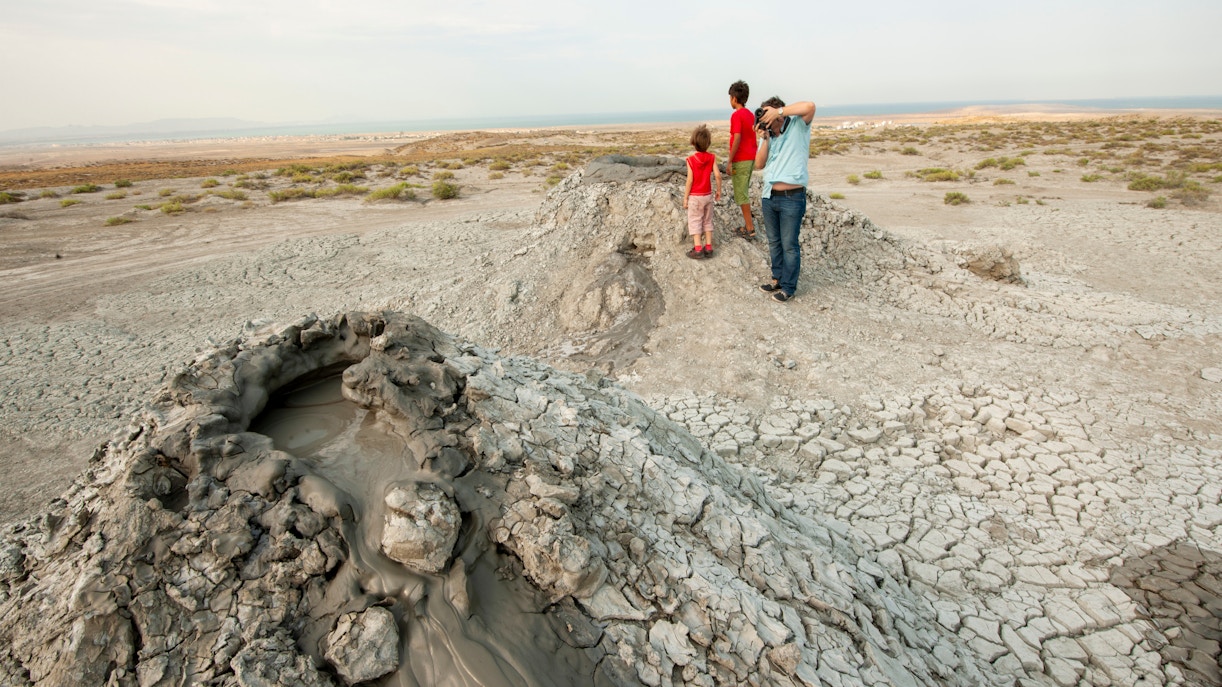
Mud Volcanoes

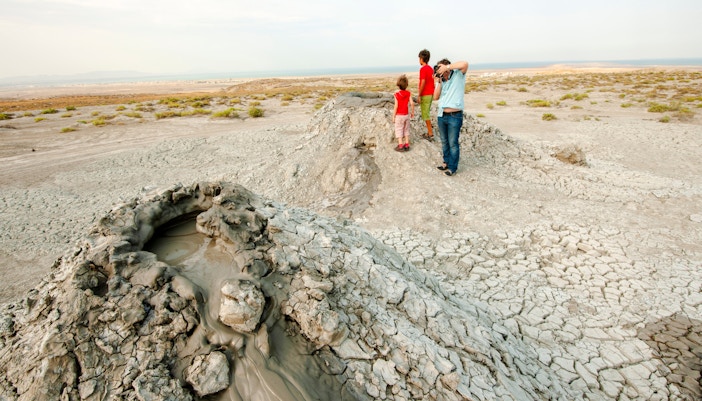
A surreal semi-desert landscape of bubbling mud cones and mineral-rich craters, unique to Azerbaijan’s geological terrain.

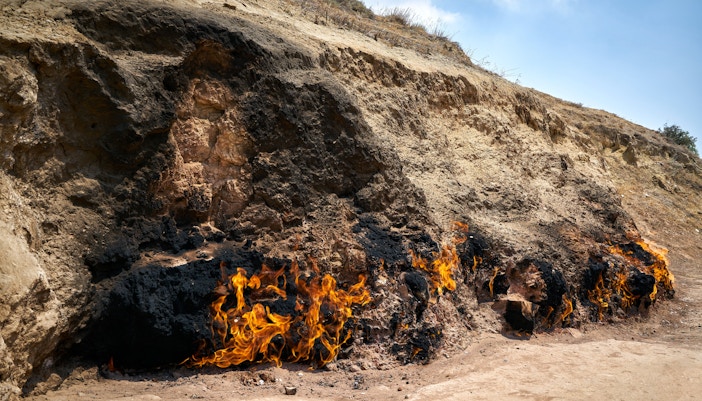
Yanardağ

A hillside of naturally burning flames fed by underground gas, best experienced at dusk when the fire glows brightest.

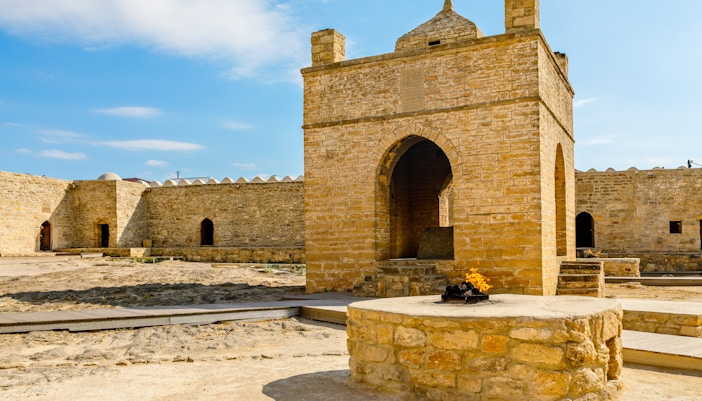
Ateshgah Fire Temple

Historic fire temple linked to Zoroastrian traditions, known for its eternal flame courtyard and Silk Road history.

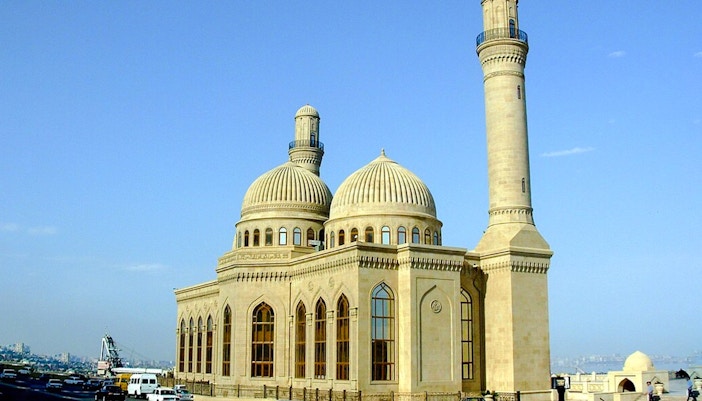
Bibi-Heybat Mosque

A striking mosque overlooking the Caspian coast, often included as a photo stop en route to Gobustan.

World’s First Industrially Drilled Oil Well

Historic oil site marking Azerbaijan’s pioneering role in the modern petroleum industry.

Know before you plan your Gobustan & Yanardağ tours

  • Guided tour vs DIY: A guided tour is the easiest way to cover Gobustan, mud volcanoes, and Yanardağ in one day. Visiting independently usually means arranging separate taxis or self-driving between sites that are spread across different regions outside Baku.
  • Transfers from Baku: Most day trips include hotel pickup and drop-off from central Baku. Budget options may use central meeting points instead, so it’s worth checking if door-to-door transfers are included before booking.
  • Stops included in the itinerary: Some tours only cover Gobustan Rock Art Reserve and mud volcanoes, while others add Yanardağ, Ateshgah Fire Temple, Bibi-Heybat Mosque, and the world’s first industrially drilled oil well. Check the route carefully if you want multiple stops in one booking.
  • Tour duration: Half-day tours usually focus on Gobustan and mud volcanoes, while full-day options include additional stops across the Absheron Peninsula. Longer tours offer a more complete circuit but involve more driving time between locations.
  • Mud volcano transport: Access to the mud volcanoes is often handled separately. Some tours use Soviet-era 4x4 vehicles for the final off-road stretch, while others include modern transfers or EZRaider rides. This can make a big difference for comfort, especially for older travelers.
  • Group size & pace: Small-group tours typically move faster between stops and allow more flexibility at each site. Larger coach tours may be more affordable but often spend less time at individual attractions due to fixed schedules.
  • Suitability for kids & older travelers: Most routes are family-friendly, but Gobustan’s rocky walking paths and the bumpy off-road section to the mud volcanoes may not suit all mobility levels. If traveling with young children or seniors, private tours usually offer the most comfortable option.

Getting to Gobustan & Yanardağ

Group of tourists at Gobustan National Park with rocky landscape in Azerbaijan.

The easiest way to visit both sites in one day, especially since attractions are spread out and include off-road sections.

  • Time: 6–8 hrs round trip
  • Cost: Mid-range, depending on inclusions
  • Pros: Includes transfers and route planning
  • Cons: Fixed departure times
Bus interior with passengers traveling from Shinjuku to Tokyo Disney Resort.

Possible for single stops like Gobustan, but not ideal for combining all sites in one day.

  • Time: 1.5–2 hrs each way
  • Cost: Budget-friendly
  • Best for: Independent travelers
  • Cons: Limited connections between attractions
Woman smiling while driving a car.

Self-driving offers flexibility, especially for adding extra sites on the Absheron Peninsula.

  • Time: 1–1.5 hrs each way
  • Cost: Rental + fuel
  • Best for: Private travelers
  • Cons: Off-road sections near mud volcanoes need special vehicles

How to get around in Gobustan & Yanardağ

Mud volcanoes in Gobustan Reserve, Azerbaijan with tourists observing the landscape.

Gobustan’s reserve requires walking on rocky trails between petroglyph sites, while Yanardağ has shorter paved paths near the flame zone.

  • Time: 15–45 min at each stop
  • Best for: All visitors
  • Cons: Uneven surfaces in Gobustan
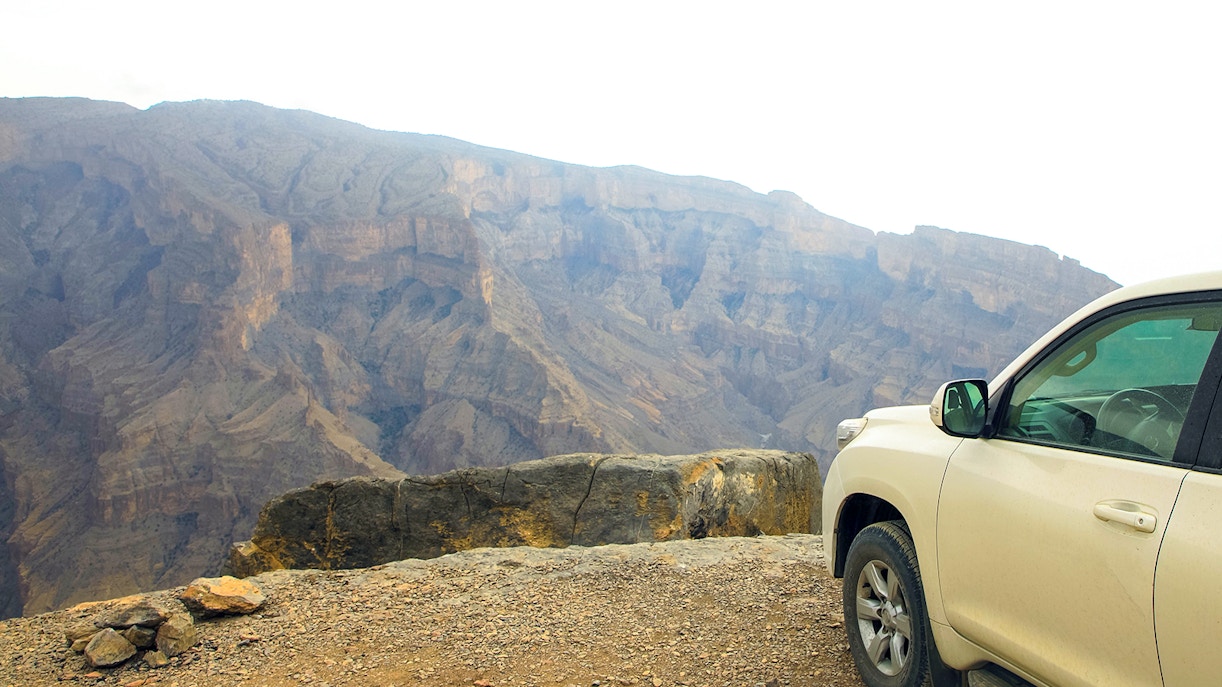
4x4 vehicle parked on a mountain edge with rocky cliffs in the background.

Mud volcanoes are usually reached by rugged Soviet-era 4x4 vehicles or modern alternatives depending on the tour. Some operators also offer EZRaider rides, electric stand-up all-terrain vehicles that handle the muddy terrain smoothly and add a more adventurous element.

  • Time: 15–25 min each way
  • Best for: Accessing remote craters
  • Cons: Bumpy on traditional vehicles
Yellow taxi sign on a car roof in Reykjavik, Iceland.

Suitable for custom routes from Baku, especially for travelers wanting a flexible schedule.

  • Cost: Negotiated fare
  • Best for: Small groups
  • Cons: Waiting charges may apply

More things to do in Gobustan & Yanardağ

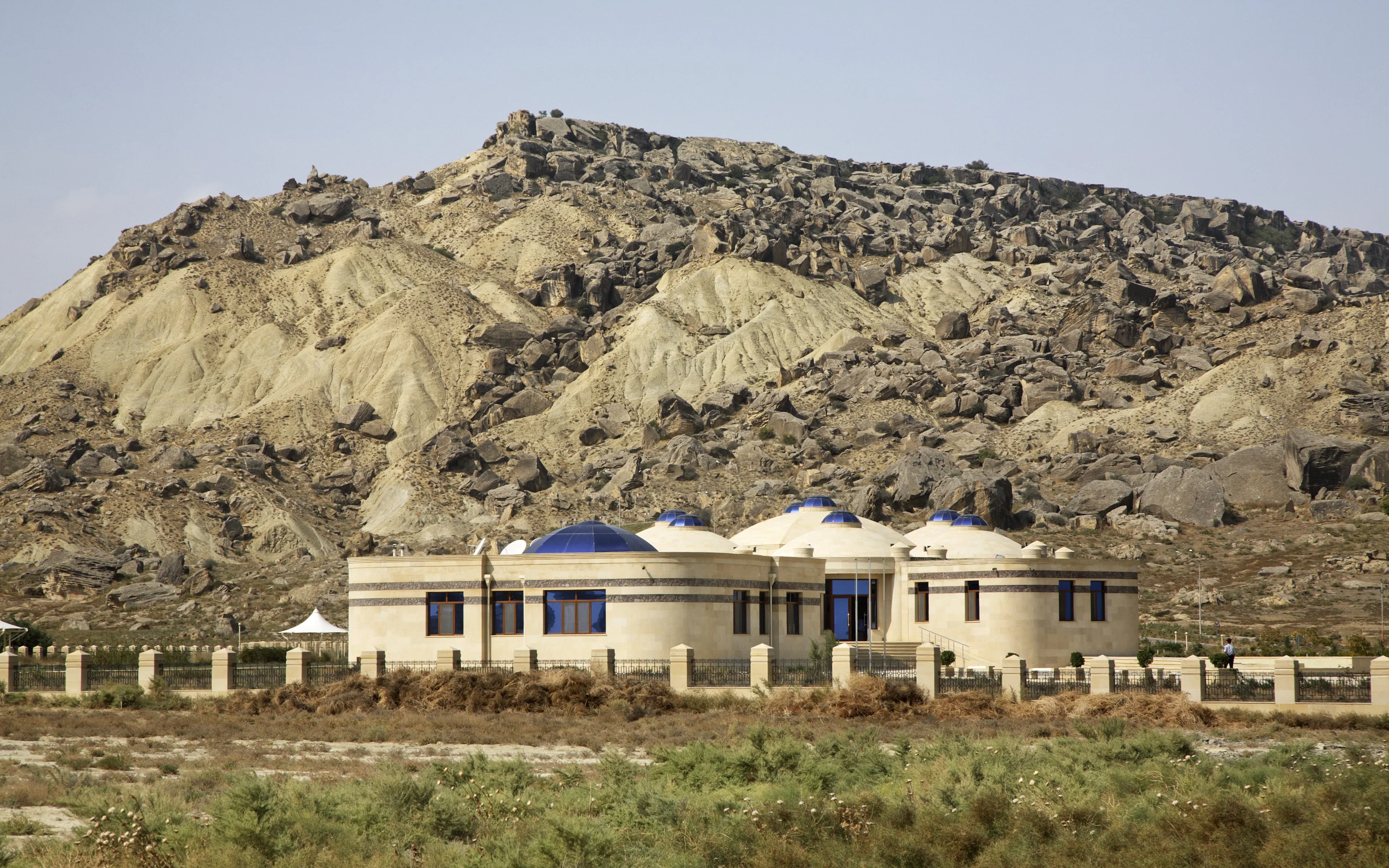
Museum building with domed roofs in Gobustan National Park, Azerbaijan, set against rocky hills.
Bibi-Heybat Mosque with minarets overlooking the Caspian Sea in Baku, Azerbaijan.
Group of tourists at Ateshgah Fire Temple, Azerbaijan, with flames in foreground.
1/3

Gobustan Museum

Modern interactive museum explaining the archaeological discoveries before entering the open-air reserve.

Caspian coastal viewpoints

Scenic roadside stops between Baku and Gobustan with views over the semi-desert meeting the Caspian Sea.

Absheron Peninsula villages

Traditional settlements around the fire temple area that offer a glimpse into local suburban life outside central Baku.

Where to eat in Gobustan & Yanardağ

Good food is a nice way to break up a long day trip, especially since the Gobustan–Yanardağ route covers multiple sites across the outskirts of Baku. Most travelers either stop at a local Azerbaijani restaurant near the attractions or dine back in central Baku after the tour. Here are a few reliable options:

Restoran

A simple local stop close to Gobustan, convenient for a quick lunch between the petroglyph reserve and mud volcanoes.

  • Where it is: Near Gobustan town center, close to the archaeological route. [View on map →]
  • Cuisine: Azerbaijani local dishes
  • Rating: ⭐ 4.4/5
  • Price point: $ (budget)
  • Must-try: Lamb kebab and qutab

Yanar Dag Ailevi Restoran

One of the most convenient places to eat near Yanardağ, often used by travelers stopping before or after the fire mountain.

  • Where it is: Near Yanardağ entrance area, Absheron Peninsula. [View on map →]
  • Cuisine: Azerbaijani barbecue and family-style meals
  • Rating: ⭐ 4.3/5
  • Price point: $$ (mid-range)
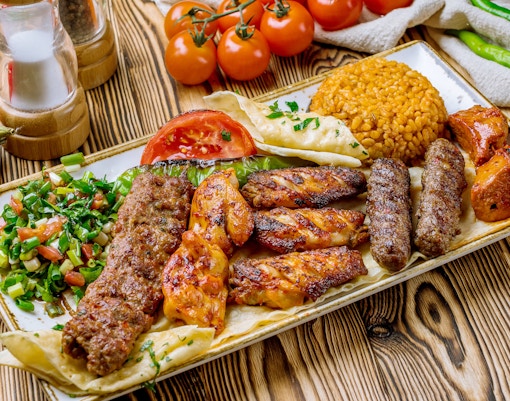
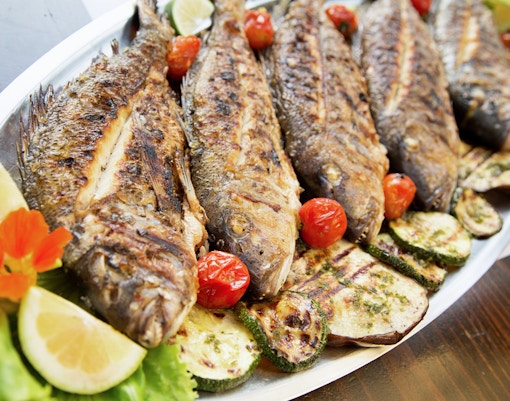
  • Must-try: Grilled sturgeon or mixed kebab platter

Restaurant Old Garden

A popular choice back in Baku if you’d rather finish sightseeing first and have dinner in the city.

  • Where it is: Baku city center, convenient after returning from day tours. [View on map →]
  • Cuisine: Traditional Azerbaijani
  • Rating: ⭐ 4.6/5
  • Price point: $$ (mid-range)
  • Must-try: Shah plov and dolma

Anadolu Restaurant

A good international/continental-style option, especially for travelers who want Turkish and broader Mediterranean dishes rather than local cuisine.

  • Where it is: Central Baku, near major hotels and transfer drop-off points. [View on map →]
  • Cuisine: Turkish / international / continental
  • Rating: ⭐ 4.7/5
  • Price point: $–$$ (low to mid-range)
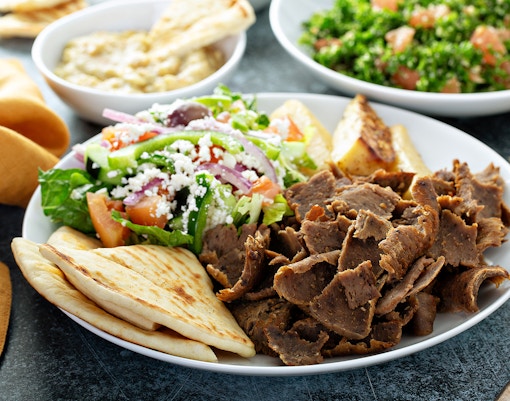
  • Must-try: Mixed grill, pide, and mezze platters

Where to shop in Gobustan & Yanardağ

Baku Old City souvenir shops

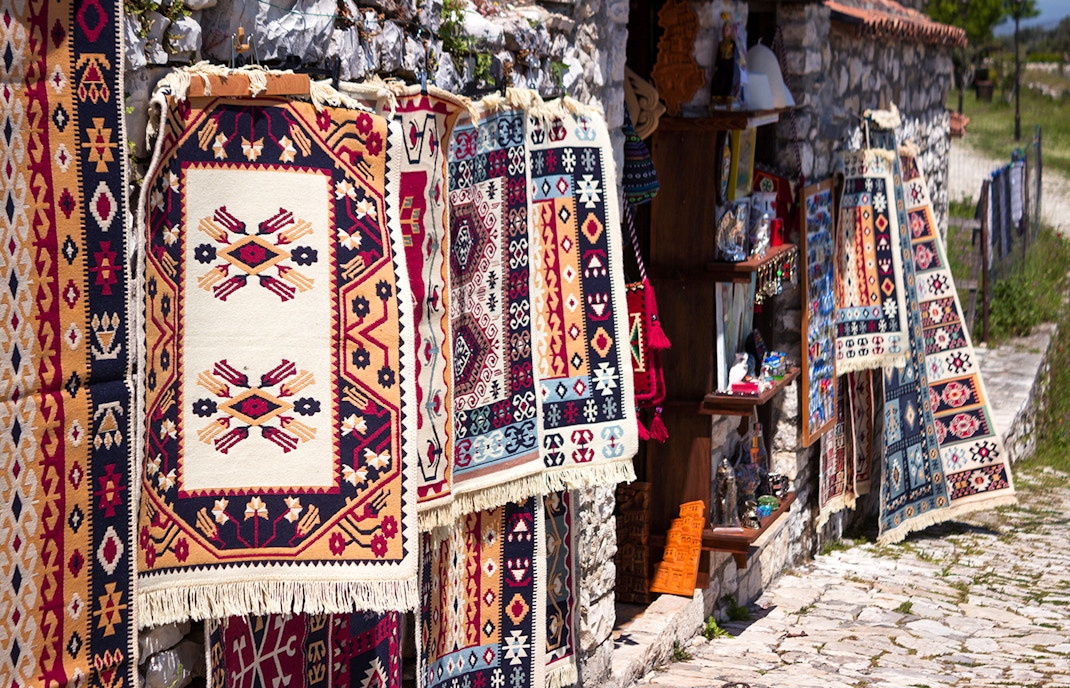
A good stop for carpets, miniature oil lamps, and traditional crafts after returning from the tour.

Local honey & preserves stalls

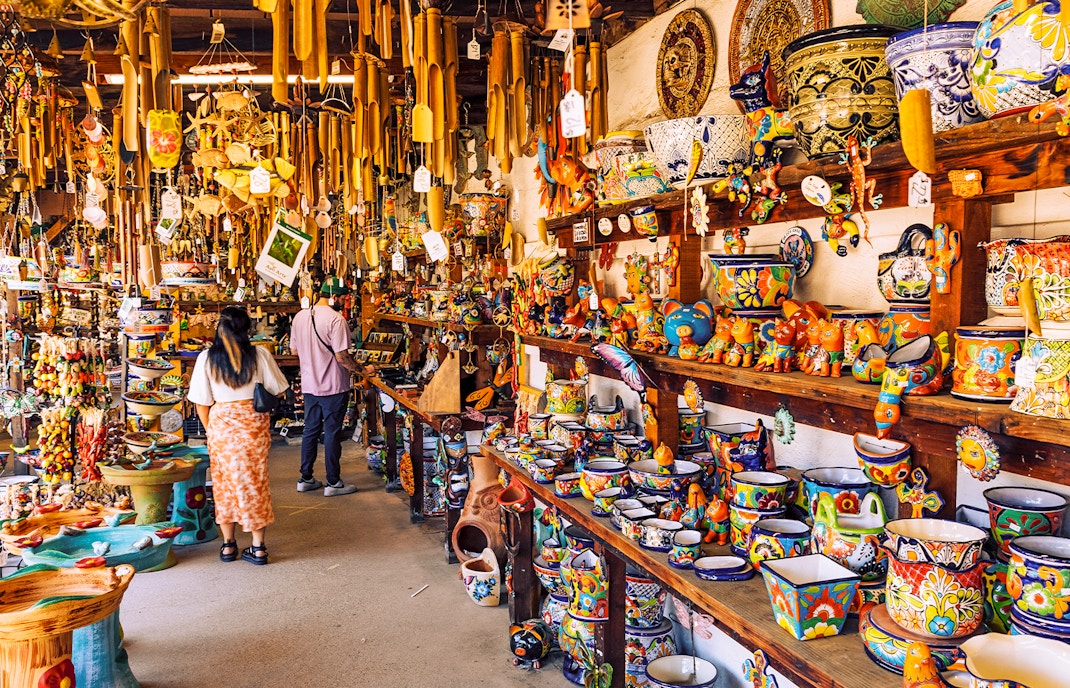
Roadside vendors sometimes sell regional jams, honey, and dried fruits along the route.

Azerbaijani carpet stores

Ideal for browsing handmade rugs and cultural souvenirs in central Baku.

Tips from Locals

  • Start with Gobustan first as the archaeological reserve gets hot and exposed by midday.
  • If available, choose tours with EZRaider access for mud volcanoes; they’re smoother and more fun than the old 4x4 transfers.
  • Sunset is the best time for Yanardağ since the flames appear stronger against the darker sky.
  • Keep small cash handy for roadside tea stops or optional off-road transfers.
  • Combine the trip with Ateshgah if you want a full fire-themed route around Baku.

Frequently asked questions about visiting Gobustan & Yanardağ

For most travelers, yes. Guided tours simplify transportation between multiple spread-out sites like Gobustan, mud volcanoes, Yanardağ, and Ateshgah, while also covering hotel transfers and local insights.

More Reads