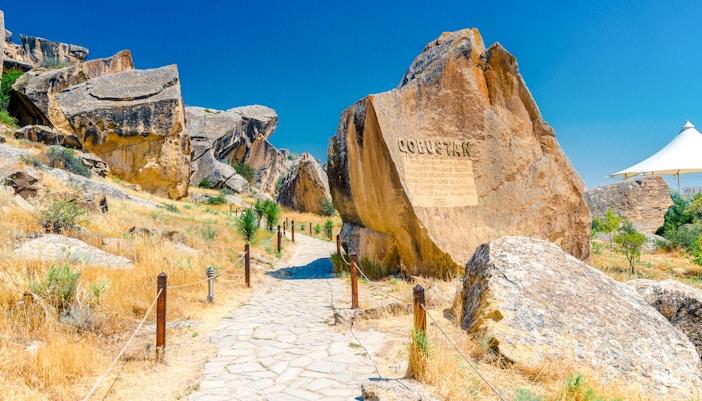
Getting to Gobustan & Yanardağ from Baku

Gobustan and Yanardağ sit in different directions from Baku, which is why most visitors combine them through a guided day tour rather than independent transport. Gobustan lies around 65 km southwest of the city near the Caspian coastline, while Yanardağ is on the Absheron Peninsula northeast of Baku. Travel times vary between 45 minutes and 1.5 hours depending on traffic and route sequencing. Guided tours are the simplest option for covering multiple sites in one day, while buses and taxis work better for single-stop visits.

Where are Gobustan & Yanardağ located?

Gobustan

Address: Gobustan National Park, Qobustan, Azerbaijan

Distance from Baku: ~65 km southwest of Baku

Time taken from Baku: ~1 to 1.5 hr by road

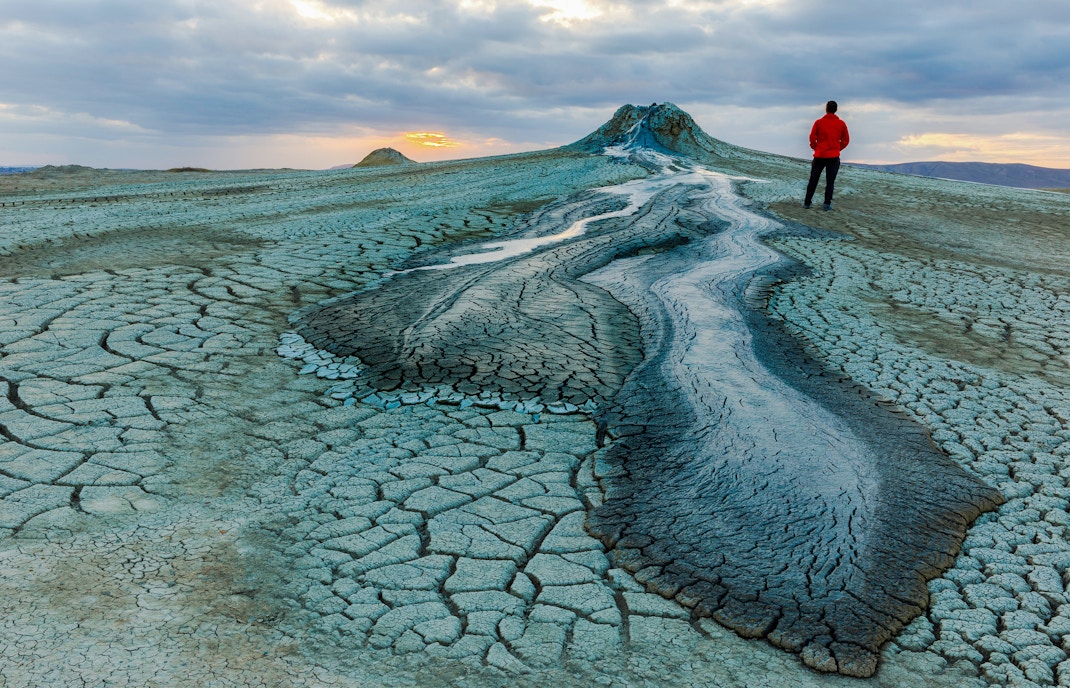
Access: Gobustan’s mud volcanoes require off-road driving beyond the main archaeological reserve.
Yanardağ

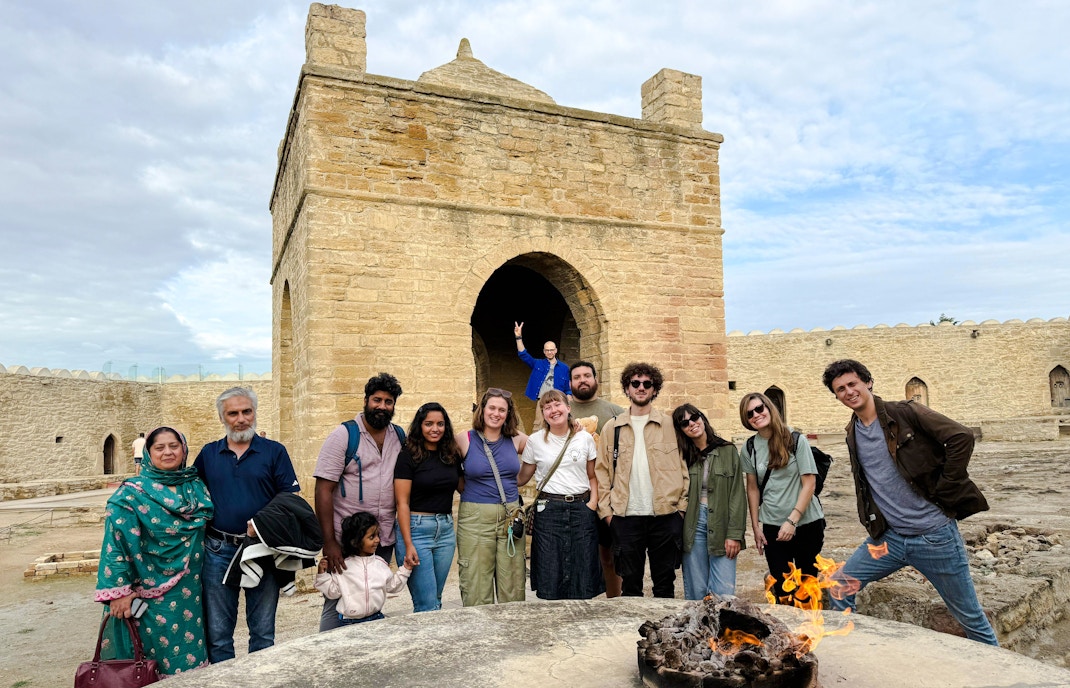
Address: Yanardağ State Historical, Cultural and Natural Reserve, Absheron Peninsula, Azerbaijan

Distance from Baku: ~25 km northeast of Baku

Time taken from Baku: ~45 min to 1 hr by road

Access: Yanardağ is directly accessible by paved road.

Baku to Gobustan & Yanardağ: Time & distance

Minivan interior during Komani Lake and Shala River tour transfer from Tirana.

From Baku: ~65 km to Gobustan / ~25 km to Yanardağ

By bus:

  • Gobustan: ~1.5 to 2 hr including local transfers
  • Yanardağ: ~1 hr

By car:

  • Gobustan: ~1 to 1.5 hr
  • Yanardağ: ~45 min

By guided tour (round-trip):

  • 4.5 to 9 hrs including sightseeing, attraction stops, and hotel transfers.
  • Skip the transport planning: Guided tours combine Gobustan, mud volcanoes, Yanardağ, and Ateshgah in one route without needing separate taxis or buses.
  • Easier mud volcano access: Most tours include Soviet-era 4x4 transfers for the final off-road section to the mud volcanoes.
  • Cover more in one day: Full-day itineraries sequence the major attractions efficiently, reducing backtracking across the Absheron Peninsula.
  • Better historical context: Guides explain the significance of Gobustan’s prehistoric rock art and Azerbaijan’s fire-related heritage sites.
  • More reliable timing: Operators manage pickup logistics, attraction sequencing, and route changes if weather affects mud volcano access.

By bus

Bus on highway during transfer from Budapest to Szentendre.

Public buses connect Baku with areas near Gobustan and Yanardağ, though neither route is especially straightforward for first-time visitors. Reaching Gobustan independently usually involves a combination of intercity buses and local taxis, particularly for the mud volcanoes. Yanardağ is easier to access using city buses or taxis from central Baku.

Duration:

  • Gobustan: ~1.5 to 2 hr
  • Yanardağ: ~1 hr

Cost: Low-cost local fares + taxi transfers where needed

Frequency: Frequent city buses to Absheron areas; fewer direct options toward Gobustan

Best for: Budget-conscious travelers visiting only one attraction

Cons: Limited direct routes, extra taxi connections, and difficult mud volcano access without private transport

By car / self-drive

Driver using GPS navigation in car to reach Kuranda Village.

Driving from Baku gives the most flexibility for combining Gobustan with Yanardağ, Ateshgah, or other Absheron Peninsula stops in one day. Roads between Baku and the main attractions are generally straightforward, but the final approach to the mud volcanoes requires rough off-road driving that standard rental cars may struggle with after rain. Parking is available at most major sites.

Duration:

  • Gobustan: ~1 to 1.5 hr
  • Yanardağ: ~45 min

Cost: Rental car + fuel costs

Best for: Travelers wanting flexible pacing and additional regional stops

Cons: Off-road terrain near mud volcanoes, traffic entering Baku, and extra navigation between sites

Compare your options

ModeDurationCostBest forKey notes

Guided tour

4.5-9 hrs

Mid-range

First-time visitors, multi-stop sightseeing

Includes transport, guide, and attraction sequencing

Bus + taxi

1-2 hrs each way

Lowest cost

Budget travelers

Requires multiple transfers and planning

Car / self-drive

45 min-1.5 hrs

Rental + fuel

Flexible itineraries

Best for combining multiple Absheron Peninsula stops

Private tour / car hire

• Private tour: 4.5-9 hrs • Car hire: Flexible

Higher cost

Small groups, photographers

Flexible timing and pacing throughout the day

Getting around Gobustan & Yanardağ

  • Walking: Gobustan’s archaeological reserve involves outdoor walking on rocky and uneven terrain. Yanardağ is easier to navigate, with shorter paved walking paths near the flame area.
  • Off-road vehicles: Mud volcano access usually requires a separate off-road transfer in Soviet-era 4x4 vehicles. These rides can feel rough but are part of the experience. Some full-day tours also include an EZRaider ride, a standing electric all-terrain vehicle with wide wheels, designed for navigating the desert-like tracks around the volcano fields more smoothly.
  • Taxis & private drivers: Taxis and private drivers can be hired from Baku for direct visits, especially if you’re only covering one or two sites. If hiring independently, confirm waiting time and round-trip fares in advance, as ride-hailing apps are less reliable around Gobustan.
  • Guided transport: Most visitors choose guided tours because Gobustan, mud volcanoes, and Yanardağ are spread across different parts of Azerbaijan’s semi-desert and Absheron Peninsula. Tours simplify access, include site sequencing, and usually cover all inter-site transport plus hotel pickup from Baku.

Things to see in Gobustan & Yanardağ

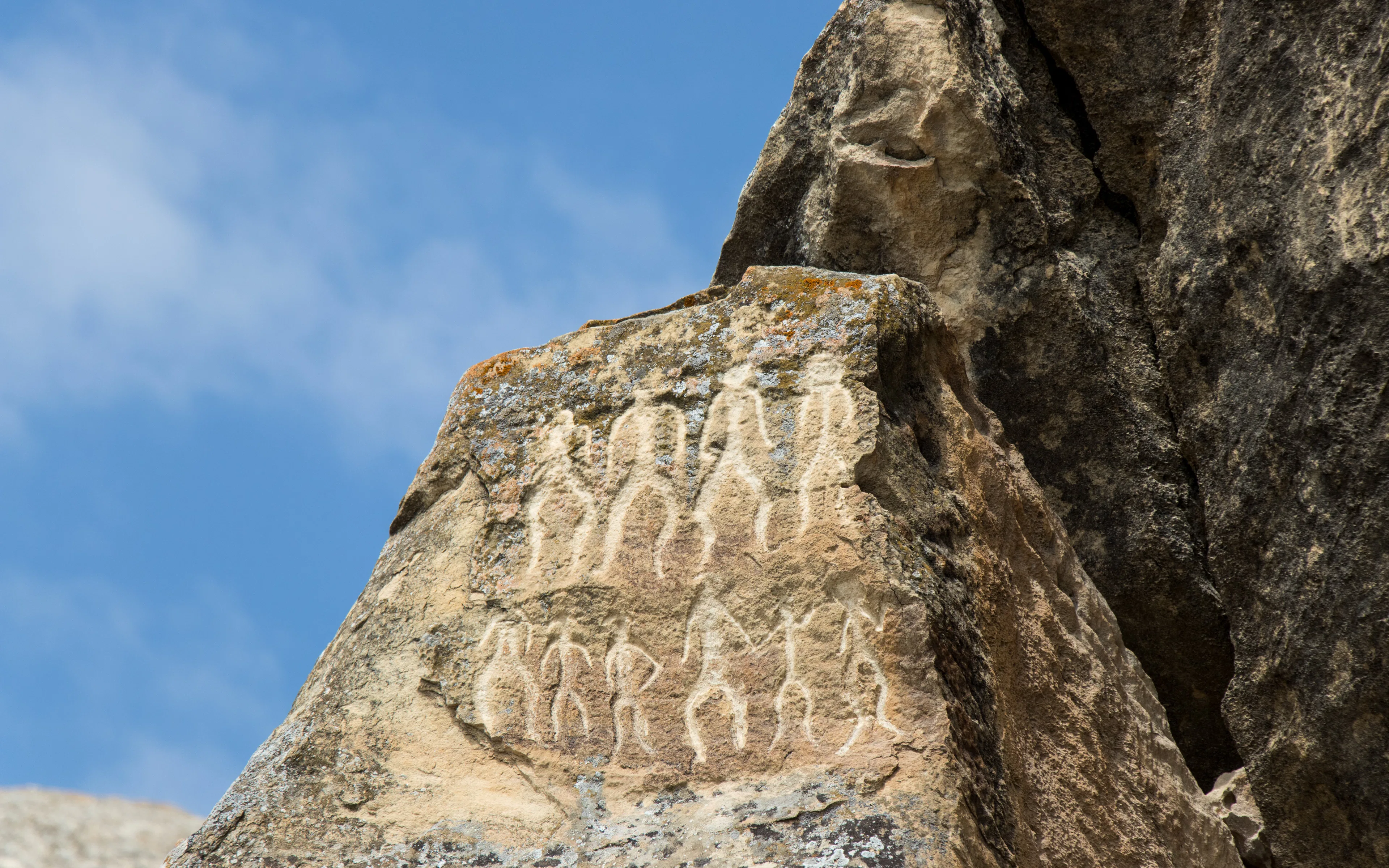
Petroglyphs of people on rock surface in Gobustan National Park, Azerbaijan.
Mud volcano erupting at Gobustan National Park, Azerbaijan.
Underground fire burning at Yanardag hillside in Baku, Azerbaijan.
Yanardag Ateshgah Fire Temple with eternal flame in stone altar, Azerbaijan.
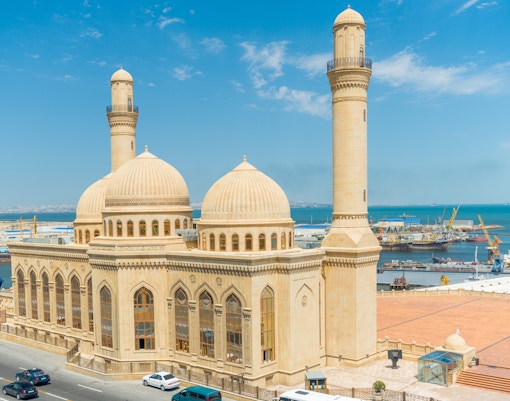
Bibi Heybat Mosque with minarets and domes in Baku, Azerbaijan.
Oil well display and modern architecture in Baku, Azerbaijan.
1/6

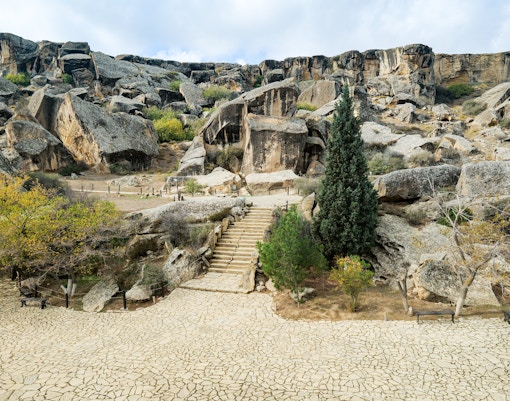
Gobustan rock carvings

Open-air archaeological landscapes filled with prehistoric petroglyphs showing hunting scenes, rituals, and early settlement life across the Caspian region.

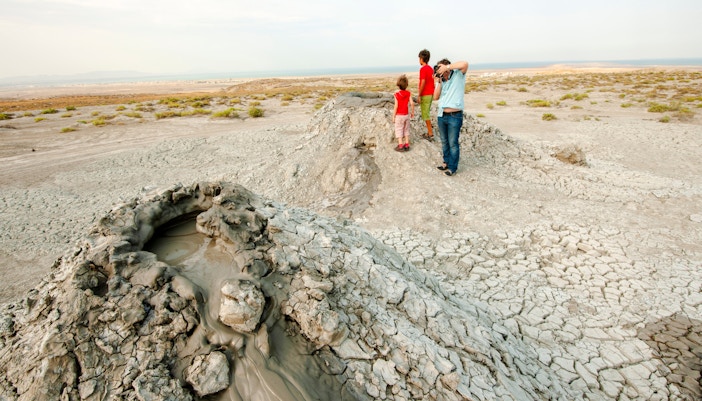
Mud volcanoes

One of Azerbaijan’s most unusual natural landscapes, where bubbling mud vents and mineral-rich craters spread across the semi-desert terrain.

Yanardağ

A continuously burning hillside fueled by underground natural gas seepage, best visited in the late afternoon or evening.

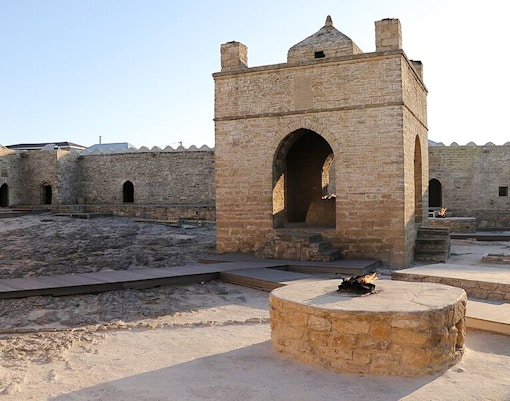
Ateshgah Fire Temple

Historic temple complex associated with fire worship traditions and Silk Road-era travelers visiting the Absheron Peninsula.

Bibi-Heybat Mosque

Modern reconstruction of a historic mosque overlooking the Caspian coastline on the route between Baku and Gobustan.

World’s First Industrially Drilled Oil Well

A short stop near Baku marking the site of the world’s first mechanically drilled oil well, completed in 1846. It offers a quick but meaningful glimpse into how Azerbaijan became one of the earliest centers of the modern oil industry.

Suggested itinerary for Gobustan & Yanardağ

Morning

Leave Baku early and begin at Gobustan National Park before temperatures rise. Explore the archaeological reserve and prehistoric rock carvings, then continue by off-road vehicle to the mud volcanoes.

Midday

Return toward Baku for a lunch stop or continue directly toward the Absheron Peninsula. Many full-day tours include short stops at Bibi-Heybat Mosque or the world’s first industrial oil well.

Afternoon & evening

Visit Ateshgah Fire Temple before heading to Yanardağ later in the day, when the flames become more visible after sunset. Return to Baku in the evening.

Optional add-on

Private tours or longer car-hire options allow additional time for photography stops or extended visits around the Absheron Peninsula. Some tours even include a delicious local lunch with Azerbaijani specialties like plov.

Handy tips

  • Best time: Leave Baku before 9am to avoid traffic and reach Gobustan before midday heat intensifies.
  • Booking hack: Full-day tours combining Gobustan and Yanardağ reduce the need for multiple taxis and separate attraction planning.
  • Seasonal note: Rain can affect mud volcano access roads, especially during winter and early spring.
  • Transport tip: Public transport works best for Yanardağ alone; Gobustan and the mud volcanoes are much harder to visit independently.
  • Local insight: Evening visits improve visibility at Yanardağ, especially during autumn and winter when sunset comes earlier.

Getting to Gobustan & Yanardağ: FAQs

A guided tour is the easiest option because it combines transport, attraction sequencing, and mud volcano access in one itinerary.

More Reads